1. Where the crane parks
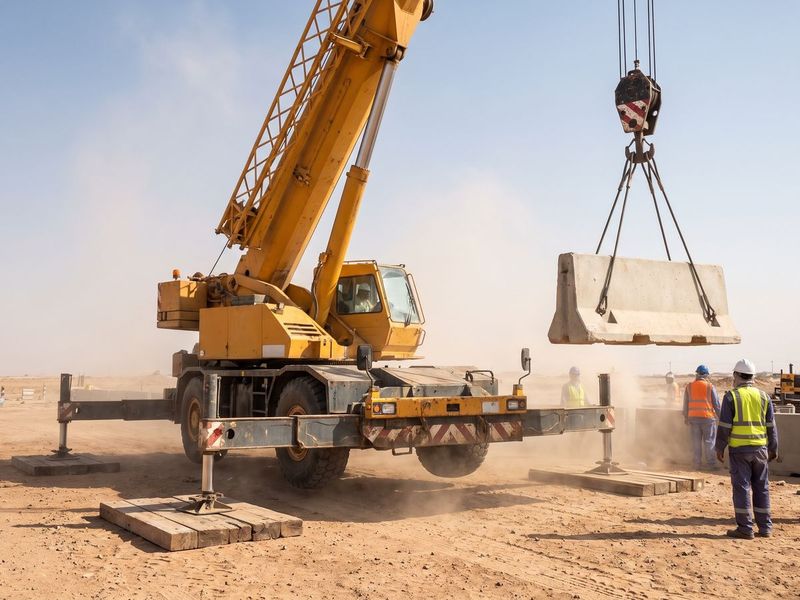
- Enough room for the crane and its outriggers once they are extended on both sides.
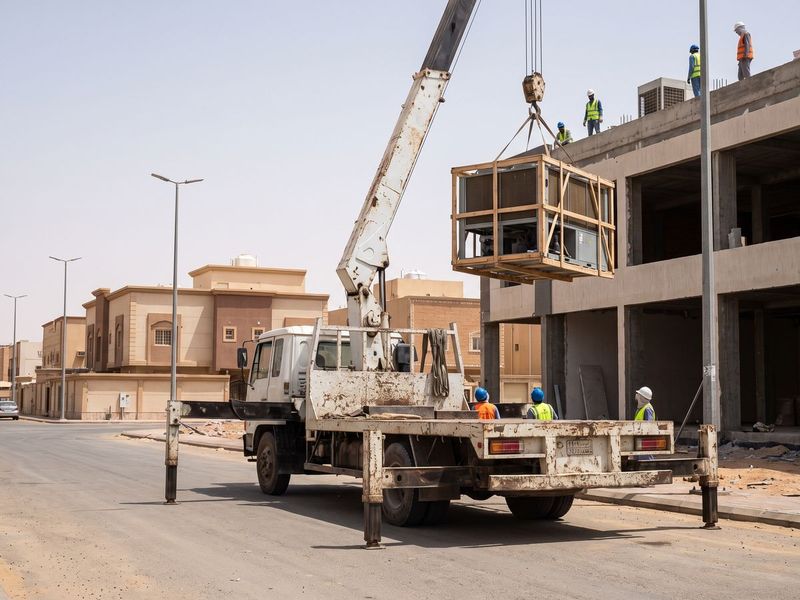
- The closest possible spot to the lift, because every extra metre lowers the allowed load.
- Cars and materials moved away before the appointment.
2. Ground strength
Outriggers put a lot of weight on a small area. Sand, freshly backfilled trenches, or the lids of septic and underground water tanks can give way. Show the operator where underground tanks, pits and services are; firm, level ground is best.
3. Power lines and overhead obstacles
Watch for overhead lines, street lights, tall trees and shades. Getting close to power lines is one of the most dangerous crane accidents, so mention them early so the owner can pick a safe position and swing direction.
4. Access to the site
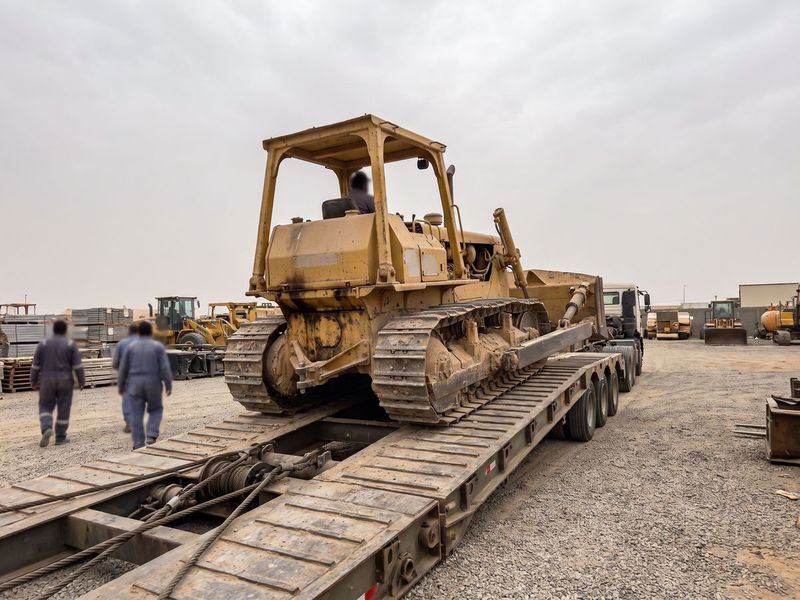
- Can the road take the crane's weight? Are there tight turns or a low or narrow gate?
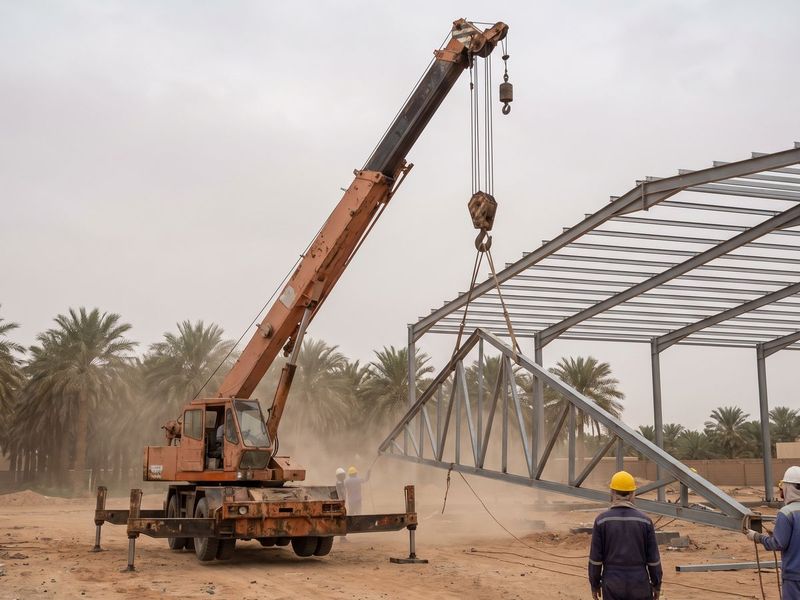
- On farms and dirt roads: is the ground firm or soft sand?
- Send your location as a map link and a photo of the entrance.
5. The load is ready
- The item is disconnected from any fixings or services (water, power, bolts).
- Tanks are completely empty.
- Lifting points are clear, or the load sits on a suitable pallet.
- The drop-off spot is clear, with its base ready.
6. One person talks to the operator
Have one person on your side who knows the job, stays during the lift and talks to the operator and banksman. During the lift, keep everyone well away from under the suspended load.