Do you need a forklift at all?
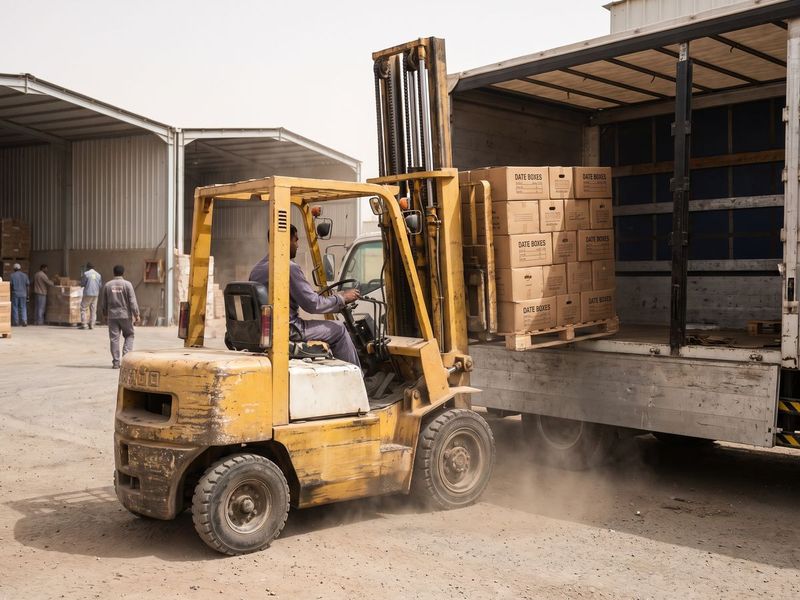
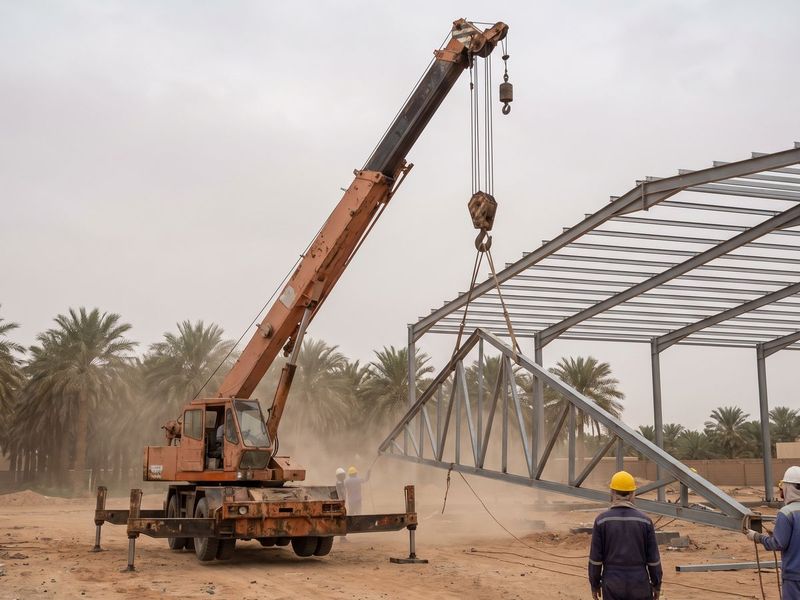
People here use the word for lifting equipment loosely, and that is where bookings go wrong. A forklift slides two forks under a pallet or load, carries it a short way and puts it on a truck or a rack. If the load has to clear a building or end up far from where the machine can stand, that is crane work.
| The job | The machine to look for |
|---|---|
| Pallets and boxes off a truck into a warehouse | Forklift |
| Emptying or filling a shipping container | Forklift that fits through the container door |
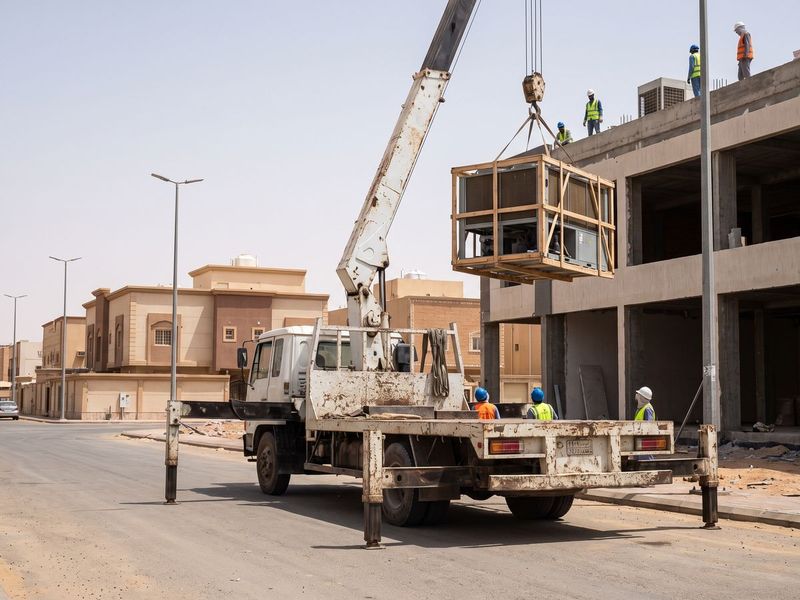
| Water tank or AC unit going onto a roof | Crane |
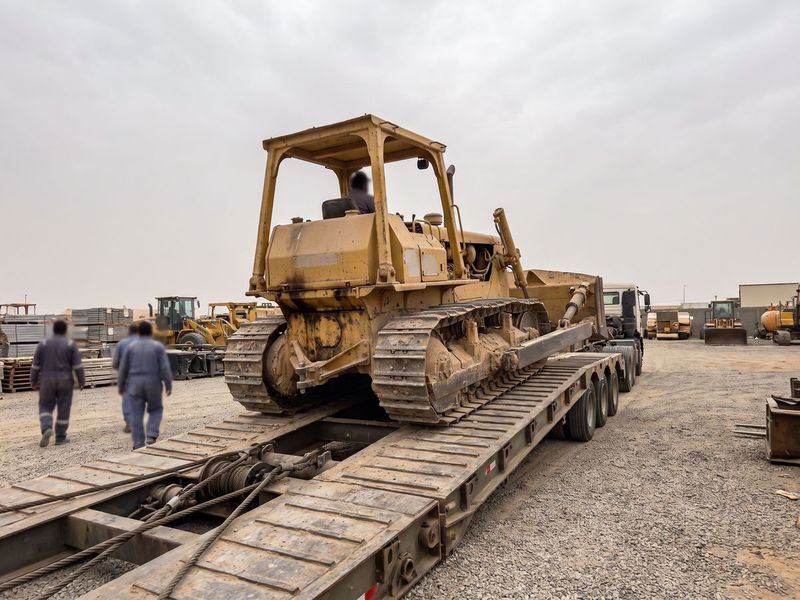
| Heavy machine moving to another site | Crane and lowbed |
| Someone needs to reach a ceiling or a high light | A personnel lift. Forks are not for standing on |
Forklift hire by the day or by the month?
The answer is not on the rate card. It is in how many hours the machine really works. The money most often wasted goes on a forklift parked in the yard, waiting for a truck that has not turned up.
| The work | Book it | Why |
|---|---|---|
| One or two truckloads | By the hour | Short, clear job |
| A full day of loading, or shifting stock between stores | By the day | Busy most of the day, so no point counting hours |
| Date season, stock-taking, fitting out a warehouse | A longer agreed period, such as a week or a month | Longer periods usually come at a better rate |
| Trucks arriving days apart | Separate fixed days | Group the trucks instead of paying for an idle machine |
How to work it out before you agree
Count the days the forklift will actually work, not the days on the calendar. Multiply by the daily rate and compare that with the price for the longer period. If it works nearly every day, the longer period usually saves money. If it would sit idle half the time, separate days can come out lower.
Then add travel. On a job running several days in a row, leaving the machine on site usually saves money. Our travel charge depends on the distance from Ar Rass, whether you are in Ar Rass itself, in Buraidah or elsewhere in Qassim, and it is in the price before we start.
What size forklift do you need?
A forklift described as so many tons will not lift that weight in every situation. The figure is the maximum under set conditions, and those conditions are on the machine's capacity plate. Three things bring the real figure down:
- Reach: a long or wide load with its weight far forward can be too much for the machine even when a normal pallet of the same weight is not.
- Height: on many forklifts the allowed load falls as the forks go up, so a pallet it picks up at floor level may not be allowed on the top rack.
- Attachments: longer forks or a drum clamp add weight and change the sums. The US safety regulator's forklift rule (OSHA 1910.178) bars changes that affect capacity without the manufacturer's written approval, and wants the plates updated to match.
Forklift sizes in general terms
We can't give you a ton figure from an article: the right one comes from your load and the plate on the machine. Start from your heaviest single piece, not the average, and leave a margin. If it is close, that is no place to gamble: the plate and the operator decide. The same thinking applies to sizing a crane.
| Size | Suits | Watch out for |
|---|---|---|
| Small | Pallets and boxes in a warehouse or shop | Needs a level floor. Most cope badly with sand and potholes |
| Medium | Loading trucks in yards, building materials, heavy pallets | Needs more room to turn, so measure the aisles |
| Large | Machinery and heavy loads in industrial areas and on building sites | Needs firm ground and wide access. Sometimes a crane suits better |
Diesel or electric forklift?
An electric forklift has no exhaust and makes less noise, but it needs charging and a decent floor. Diesel copes with open yards and long days, but its fumes do not belong in a closed building. Where you are working decides it:
| Where | What to think about |
|---|---|
| Closed or poorly ventilated store | The same OSHA rule names these among the places where carbon monoxide and diesel exhaust can build up. Tell the owner from the start, especially if dates or other food are stored there |
| Farm track or sandy yard | Tyres and ground matter more than the engine, because a forklift can bog down |
| Fuel, gas or flammable dust around | Do not book until you have said so. The same rule allows only approved truck types in hazardous atmospheres, so ask your safety officer |
The measurements people forget
Most surprises on the day come from something nobody measured. Get a tape out before you send the request:
- The lowest point it must pass under: store door, canopy, container door. Check its height with the mast down.
- The highest point the forks must reach: the top rack or the truck bed.
- Aisle width: it has to turn there while carrying the load, not just fit through.
- The length and width of the load, and whether it sits on a pallet.
- The ground: concrete or sand, and any slope, potholes or septic pits.
Forklift with an operator or without?
Some firms hire out the forklift alone and you supply the driver. Others send it with an operator. Do not compare two prices until you know what each one includes.
Without an operator, making sure the driver is trained becomes your problem. OSHA's rule, for example, makes the employer responsible for every operator being competent, shown by completing training and evaluation. That is an American rule, not a Saudi one, so if your site has a safety department, ask what operator papers they want before entry.
Our lifting equipment comes with its operators, so you do not need to find a driver. You say what goes where, and the operator decides how to lift it.
What to tell the owner, and what to ask
Tell them the weight, the height, the place and how long you need it. Then ask these, which work with any hire firm:
- What exactly does the price include? Operator, fuel, travel out and back.
- How many hours count as a day, and how is extra time charged?
- Does the clock start when it leaves the yard or when it reaches you?
- If it breaks down, does the charge stop, and do they send another?
- If work stops for a day because a delivery is late, do you still pay?
- What does the capacity plate say? Ask to see it. OSHA's rule requires plates to stay legible.
What goes wrong on the day
A forklift looks simple, but a few mistakes waste the day or put people at risk:
- People in the way: keep workers clear of the machine's path, and nobody stands or walks under raised forks, loaded or empty.
- Someone rides on the forks: never allow it, not to reach something high and not to steady a load.
- Pressure on the operator: if they say the load is too heavy or the ground will not take it, do not argue. They and the plate decide.
What to send us on WhatsApp
Send us these and we will tell you what suits the job from our lifting equipment, with a price and a time:
- The job, what the goods are, and the weight and size of the heaviest piece.
- The highest point the forks must reach and the lowest point the machine must pass under.
- Inside or outside, and whether the ground is concrete or sand.
- How many days, and roughly how many hours of real work a day.
- A map link, a photo of the load and a photo of the entrance.